

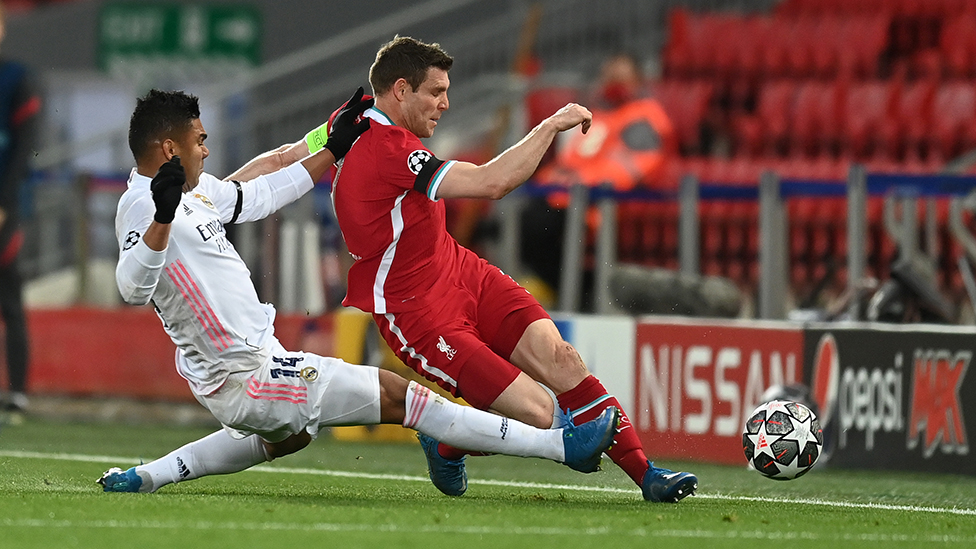
When we take a game, a sport, whatever it is, to its maximum competitiveness, to the sometimes obsessive desire to succeed at all costs, we are stripping it of its playful content.
At the time it was called "amateurism", in the sense of non-professionalism, but the desire to triumph over the other or over others did not change the equation too much.
The idea of competing for the sake of competition itself no longer exists, it has long been lost.
Numerous philosophers and sociologists have tackled the subject with varying degrees of success. One of them, internationally renowned, Julián Marías, once said that, "without thinking that I am talking about football, when you know what is going to happen, nothing is going to happen", thus stripping the outcome of a football match, in this case, of its greatest component: the uncertainty of the result.
This leads to a fierce struggle to obtain it, i.e. to achieve victory. And this is when the playful, romantic, altruistic, chivalrous component, the cornerstone of Baron Pierre de Coubertein's thinking when he instituted the Olympic Games, is completely lost.
What then is the true culture of the game or sport?
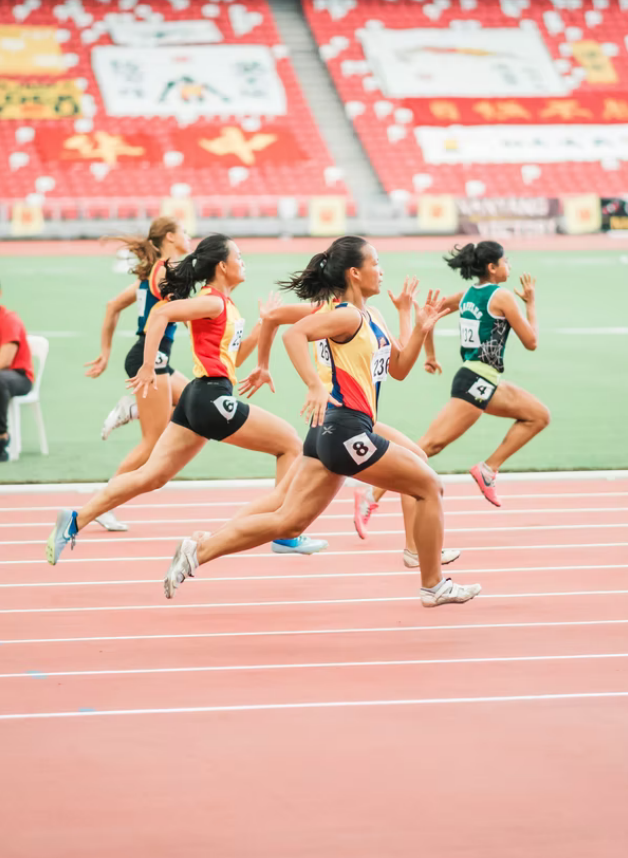
Is it possible to plan a collective play? Yes, it can. But nothing ensures that it will be fulfilled.
Some sports thinkers have drawn a similarity between playing football and travelling through traffic. The goal of playing football is to win. The goal of travelling is to reach the destination.
In football there are many imponderables that can prevent us from getting a good result, i.e. a win: the opponent, bad luck, the referee with his mistakes, the players' own inability to react to adversity, their own mistakes, etc.
In the case of driving a car through traffic, we can get stuck in the middle of other cars, we can have an accident or the car can simply break down.
These are all imponderables that prevent us from achieving our goal.
The game is a passion of the crowds as a famous Argentinean sports journalist used to describe it.
A well-known sports journalist such as Dante Panzeri once wrote that "football is not only an art of the unexpected, it is the true definition of improvisation" and argued that "in football all action is combative, it is total opposition".
And he was absolutely right.
Perhaps sporting culture is deeply rooted in the concept of success and victory that it pursues.
A culture of exaltation not devoid of the flashes of quality with which each sportsman is able to impregnate it.
If we accept that the culture of play, competition and exhibition are part of the essence of some professional sports such as football, we may be getting closer to the modern reality of sport.
Even if Baron de Coubertein does not agree with this. The Olympic Games are becoming more and more popular and sportsmen and women from all over the world are contributing to this. Supported by sponsors and patrons who are part of their own culture.
Their very survival depends on it.


Thanks!!